Cychlorphine, 10 Times Stronger Than Fentanyl, Facts and Safety
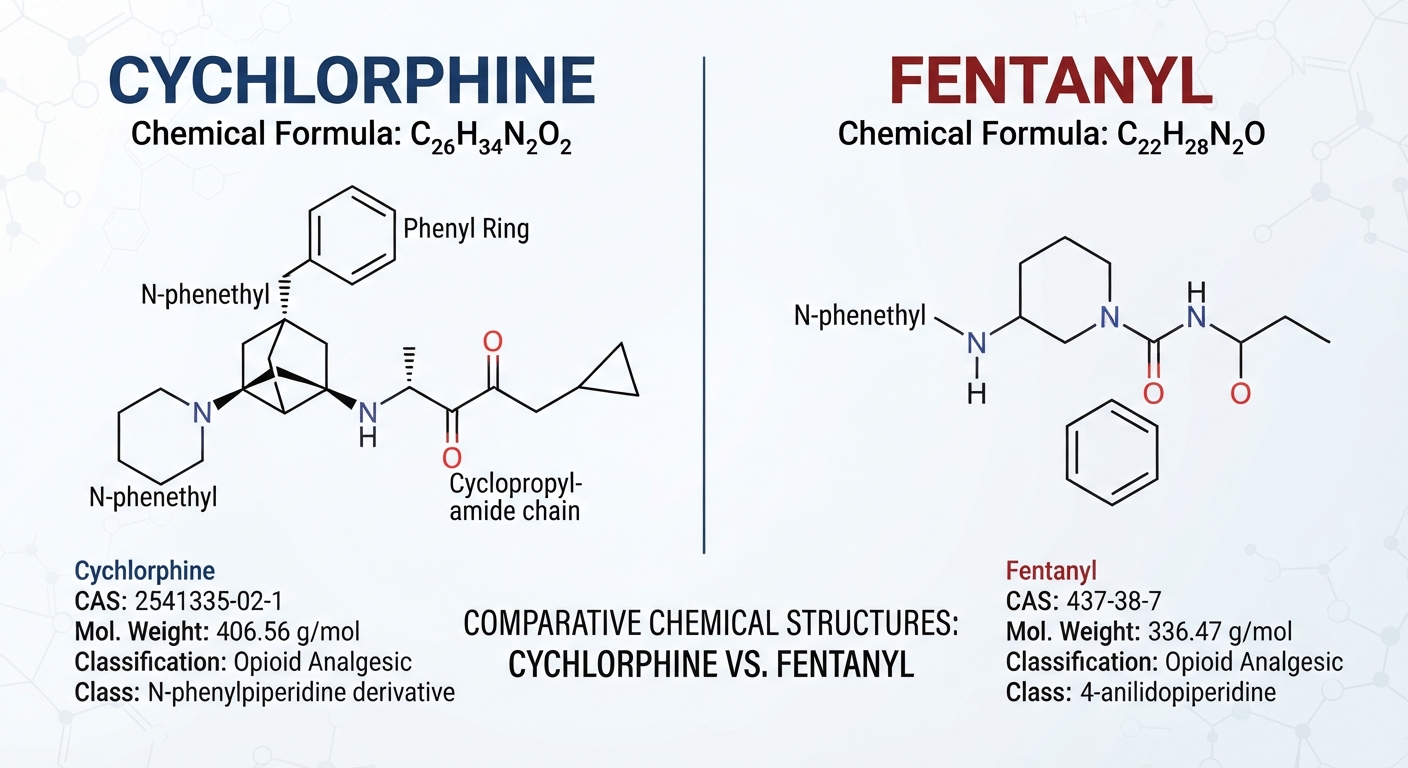

With synthetic cannabinoids surging in correctional facilities, it is important to take note of a new drug within the class of synthetic opioids to watch for. This one is Cychlorphine. Cychlorphine is an opioid, so it causes the same overdose signs as fentanyl or heroin. The difference is that they can come on faster and be more severe. It is ten times stronger than fentynal. Fentanyl strips will not detect it it is a different chemical class and unlikely to show up in a fentynal test. Cychlorphine requires a specialized test.
Watch for:
Slow, shallow, or stopped breathing. This is the most dangerous sign.
Tiny, "pinpoint" pupils.
Unresponsiveness. The person can't be woken, or doesn't react to a loud voice or a firm sternum rub.
Blue or gray lips and fingertips.
Choking, gurgling, or snoring sounds.
A limp body and cold, clammy skin.
A slow or weak pulse.
Before a full overdose, a person may be heavily drowsy, confused, have slurred speech, or keep nodding off.
Call 911 first then give Narcan. Because this drug is so potent more than one dose of Narcan may be needed.
Support their breathing and turn them on their side if they are breathing on their own.
Corrections officers should always wear gloves when handling legal mail and follow the facility safety protocol. But there is no cychlorphine specific guidance we found for corrections staff yet. The main risk involves breathing in airborne powder. Guidance in NIOSH first responder recommendations for Fentanyl includes the following:
Protective gear
Nitrile gloves for searches, mail handling, and any contact with unknown substances. Don't use latex, and change gloves if they tear or get visibly contaminated.
An N95 or better respirator (P100 if available) plus eye protection whenever there's visible powder, or when shaking out, cutting, or opening items that could release dust.
Long sleeves or disposable sleeve covers for large quantities or messy scenes.
Handling habits
Don't touch your face, eat, drink, or use your phone during searches until you've taken off your gloves and washed up.
Don't disturb powders. No blowing, sweeping, or shaking. Bag suspicious items gently and let trained staff or the lab handle testing.
Be careful with paper and mail. Drugs are often sprayed or soaked onto letters, legal mail, cards, and books. Handle them with gloves and away from your face, and follow your facility's mail-screening process.
Never field-test or sniff an unknown substance.
Decontamination
Wash your hands and skin with soap and cool water. Don't use hand sanitizer or bleach, which can increase absorption through the skin.
Remove gloves inside-out and dispose of them properly.
Bag contaminated clothing and wash it separately, and don't bring it home.
Being ready for an overdose
Carry naloxone, and know that more than one dose may be needed.
Use a buddy system for cell searches and for handling mail or property.
Know the warning signs in yourself and your partner. These include sudden drowsiness, dizziness, slowed breathing, and confusion. If you notice them, stop, get to fresh air, call for medical help, and have naloxone ready.
Report every suspected exposure, even minor ones. This documents the incident for workers' comp and helps the facility spot trends.
For facilities
Keep updated field-ID libraries and lab-testing agreements that cover the new opioids ("orphines").
Stock naloxone throughout the facility.
Provide regular PPE training and fit-testing for respirators.
